
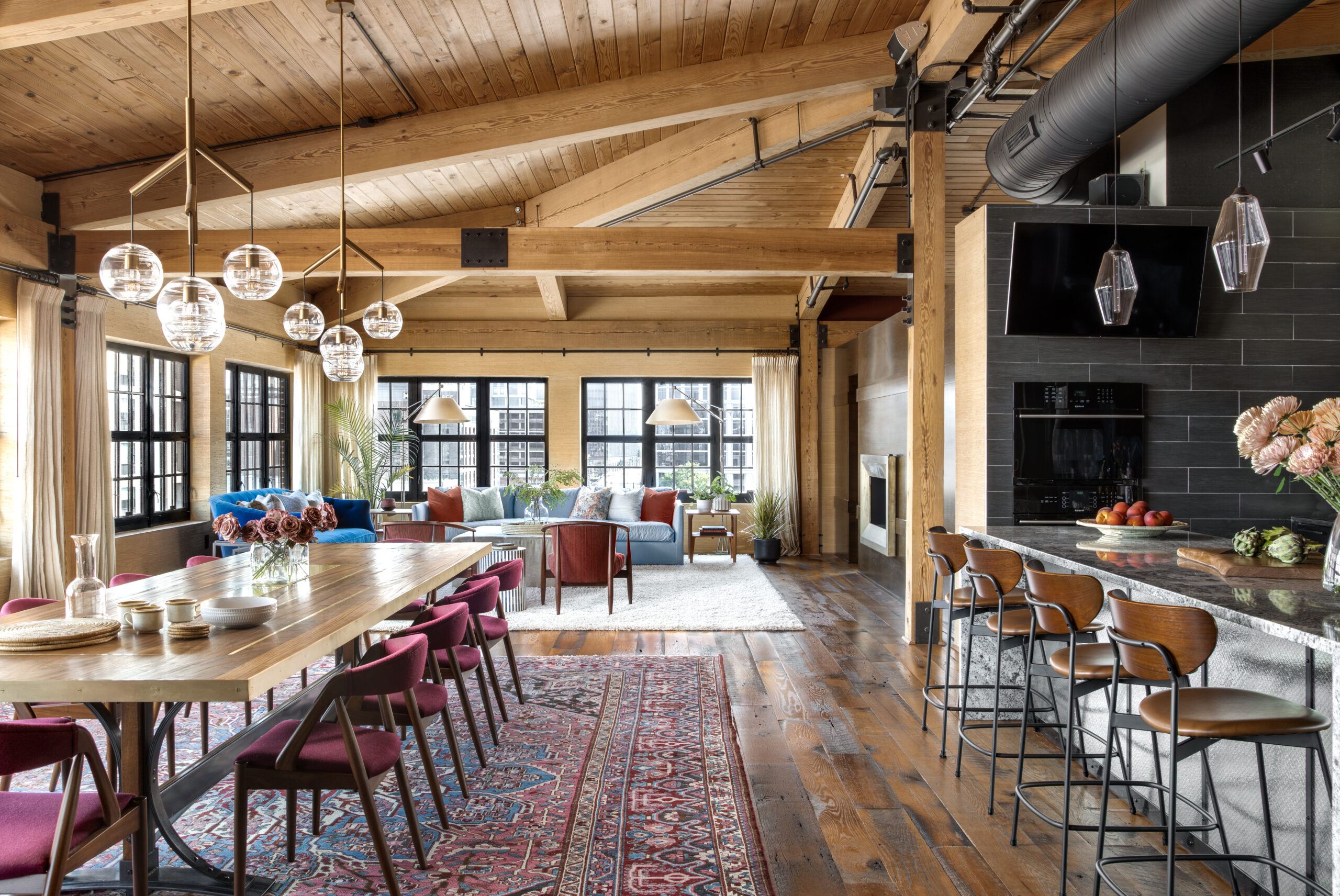
A beautifully designed home is more than a collection of individually decorated rooms. It is a thoughtful blend of colors, textures, furnishings, and architectural details that work together to create a sense of harmony. Whether your home features an open-concept floor plan or traditional rooms connected by wide doorways, creating a cohesive interior allows each space to have its own personality while maintaining a unified look throughout.
The secret is not making every room look the same. Instead, it is about establishing a visual connection that carries from one space to the next. With a few fundamental design principles, you can create a home that feels balanced, inviting, and effortlessly connected.
Color: The Foundation of a Cohesive Design
Color is one of the most powerful tools for creating continuity throughout your home. A carefully selected color palette allows individual rooms to express their unique character while contributing to the overall design.
Begin by choosing two or three complementary colors that can be incorporated throughout your home in varying shades and intensities. For example, if blue is your primary color, consider rich navy walls in a study, soft blue accents in the dining room, and medium-blue cabinetry in the kitchen. Although each room has its own identity, the recurring color creates a natural connection.
Another approach is to select one signature color and introduce it in different ways. A beautiful shade of green might appear on the walls of one room, in the upholstery of another, and through decorative pillows, artwork, or area rugs elsewhere.
Consistency in trim, molding, doors, and baseboards also helps establish a unified backdrop, particularly in homes where multiple rooms are visible at once.
The goal is to create visual interest without overwhelming the senses. Too many competing colors can make a home feel disjointed, while a thoughtfully coordinated palette encourages the eye to move comfortably from room to room.
Defining Spaces with the 60-30-10 Color Rule
One of the most useful guidelines in interior design is the 60-30-10 rule, which creates balance by distributing colors throughout a room.
- 60% Dominant Color: The primary color establishes the overall mood and often appears on walls, large furniture pieces, or cabinetry.
- 30% Secondary Color: This complementary color adds dimension through upholstery, window treatments, area rugs, or accent furniture.
- 10% Accent Color: A smaller dose of color introduces personality through artwork, pillows, accessories, and decorative details.
The beauty of this approach is its flexibility. You can use the same three colors throughout your home while changing their proportions in different rooms.
For example, a living room might feature warm neutral walls, blue upholstery, and touches of green. In the adjoining dining room, blue could become the dominant color, with warm neutrals and green accents completing the palette.
This subtle variation creates individuality while maintaining a cohesive design.
Area rugs are another excellent way to connect spaces. A multicolored patterned rug in one room might inspire a solid-colored rug in an adjoining space. The colors do not need to match exactly; variations in tone can create a more layered and sophisticated look.
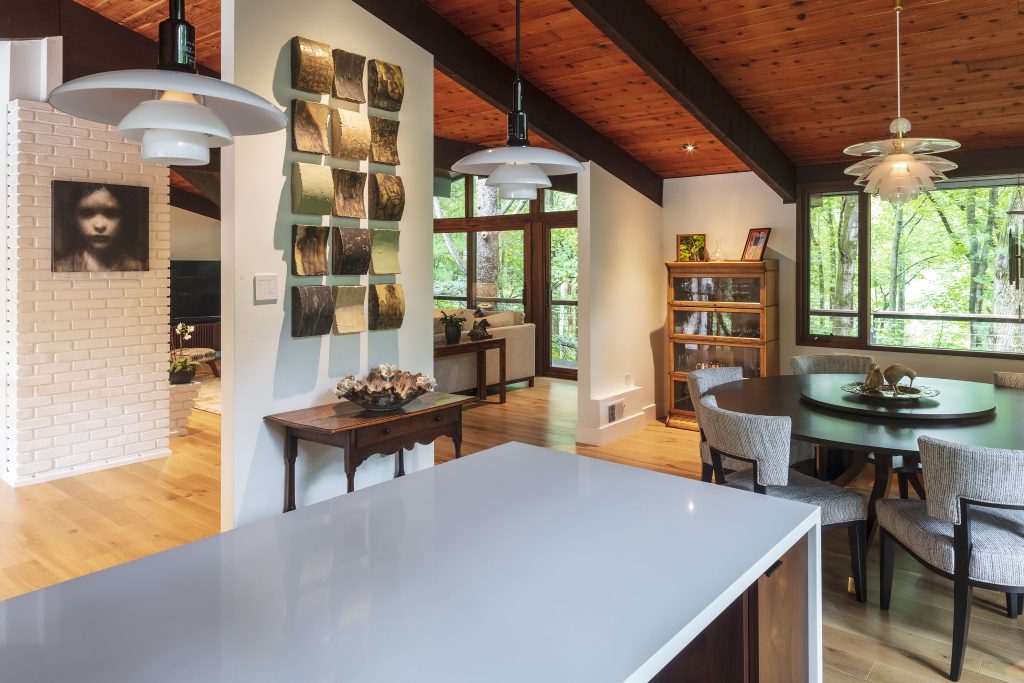
Let Lighting Influence Your Color Choices
Natural and artificial lighting can dramatically influence how a color appears. A paint color that looks warm and inviting in a sun-filled kitchen may appear cooler or more subdued in a room with limited natural light.
Consider the purpose of each space when choosing color intensity. A bright kitchen or gathering area may welcome stronger colors, while a reading nook or bedroom might benefit from softer, more restful shades.
A color wheel can also be a valuable design resource. Colors positioned next to one another generally create a harmonious combination, while colors opposite each other provide contrast and visual energy.
Before committing to a color, observe samples throughout the day and under different lighting conditions. This simple step can make a significant difference in achieving the atmosphere you envision.
The Art of Interior Flow
Creating flow throughout your home involves much more than coordinating paint colors. It is about establishing a visual rhythm through repeated materials, finishes, architectural features, and furnishings.
When these elements are thoughtfully incorporated, the transitions between rooms feel natural rather than abrupt.
Create continuity with flooring. Using the same hardwood or flooring material throughout connected spaces can make a home feel larger and more unified. Where different flooring materials are necessary, select finishes that complement one another.
Repeat architectural details. Consistent baseboards, door styles, molding, and trim finishes provide a common thread throughout the home.
Coordinate metals and wood finishes. Repeating similar wood tones and metal finishes in lighting, hardware, furniture, and accessories helps connect adjoining rooms. Metals do not need to match perfectly, but they should complement one another.
Establish a lighting theme. Light fixtures can vary in size and design according to each room’s function while sharing common finishes, shapes, or design characteristics.
Connect spaces through artwork and accessories. A collection of artwork with a similar theme, color palette, or framing style can establish continuity. Decorative pillows, throws, and accessories can also carry accent colors from one room into another.
Balance bold and understated elements. If one room features dramatic cabinetry or a striking accent wall, consider a more subdued treatment in an adjoining space. This creates contrast without visual competition.
For homes with a more traditional layout, widening doorways or incorporating glass partitions and open shelving can create stronger visual connections when the home’s structure and layout allow.
Layering Materials and Textures for Depth
A cohesive home should never feel flat or predictable. Combining materials and textures introduces warmth, dimension, and personality while maintaining a coordinated appearance.
Consider the beautiful contrast of soft linen upholstery against a smooth leather chair, natural wood cabinetry paired with stone countertops, or a woven area rug beneath a sleek metal coffee table.
These combinations add visual richness without requiring additional colors.
A few helpful guidelines include:
- Mix contrasting textures. Pair rough with smooth, matte with glossy, and soft fabrics with harder surfaces.
- Repeat materials intentionally. Carrying a wood tone, stone finish, or metal accent into more than one area helps establish continuity.
- Consider pattern scale. Larger patterns often work beautifully on substantial furniture pieces or area rugs, while smaller patterns can be introduced through pillows and accessories.
- Balance visual weight. Heavier textures can ground a room, while glass, light fabrics, and reflective surfaces create a more open, airy feeling.
Rather than limiting yourself to a rigid number of textures, choose a few dominant materials and layer complementary finishes around them.
Natural materials such as wood, stone, linen, and woven fibers are especially effective at creating inviting interiors that feel timeless rather than overly coordinated.
Choosing Furniture That Complements Your Space
Furniture plays an equally important role in establishing harmony throughout your home. Beyond selecting pieces that complement your design style, it is essential to consider scale, proportion, and function.
A large room often benefits from substantial furniture that anchors the space, while smaller rooms require carefully proportioned pieces that allow for comfortable movement.
However, scale is about more than the overall size of a room. Furniture should also relate appropriately to the pieces surrounding it. A delicate end table may appear lost beside an oversized sectional, while an excessively large coffee table can overwhelm a modest seating arrangement.
Always measure before purchasing furniture. What looks perfectly proportioned in a showroom may feel entirely different once placed in your home.
Pay attention to furniture silhouettes as well. Repeating curved lines, clean contemporary profiles, or classic furniture shapes can create a subtle relationship between rooms.
You can also mix styles successfully by maintaining consistency in color, materials, or proportions.
And remember, not every piece needs to make a statement. A bold, upholstered chair, beautifully patterned sofa, or distinctive antique can become the focal point when surrounded by quieter, complementary furnishings.
Sometimes, allowing one special piece to shine is far more effective than filling a room with competing design elements.
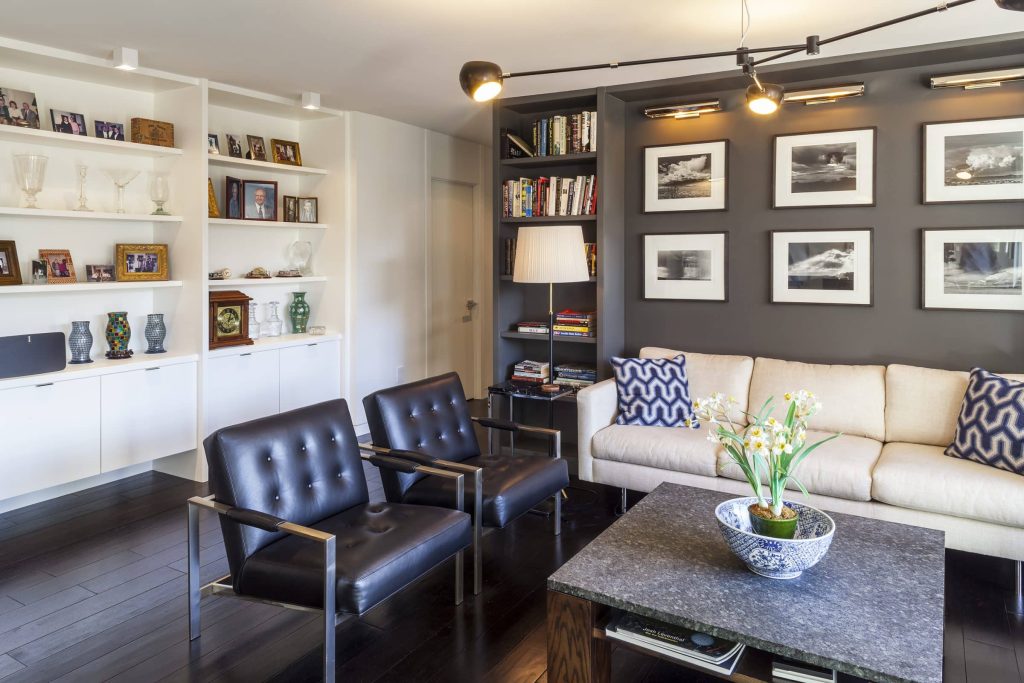
Creating a Home That Feels Connected
The most successful interiors strike a balance between consistency and individuality. Each room should serve its intended purpose and reflect your personal style yet feel like part of a thoughtfully designed whole.
As you evaluate your home’s interior, consider these essential principles:
- Establish a complementary color palette and repeat it in varying shades.
- Use consistent flooring and architectural details to connect spaces.
- Incorporate recurring wood tones, metal finishes, and natural materials.
- Select furniture with appropriate scale, proportion, and complementary lines.
- Layer textures and patterns to add warmth and interest.
- Consider how natural and artificial lighting influences each room.
- Allow individual spaces to express personality without losing sight of the overall design.
Bringing It All Together
A harmonious home does not happen by accident. It is the result of thoughtful choices that create connections between spaces while celebrating what makes each room special.
Whether you are refreshing a single room, updating several adjoining spaces, or planning a whole-home renovation, a cohesive design approach can transform the way your home looks, feels, and functions.
At Home Interiors by Design, we believe a beautiful home should reflect the people who live in it. Our experienced design professionals can help you select colors, materials, furnishings, and finishes that work together to create a home that is both personal and beautifully connected.
Ready to bring harmony and flow to your home? Contact Home Interiors by Design to schedule a complimentary design consultation or visit our Showroom to explore the possibilities for your space.